
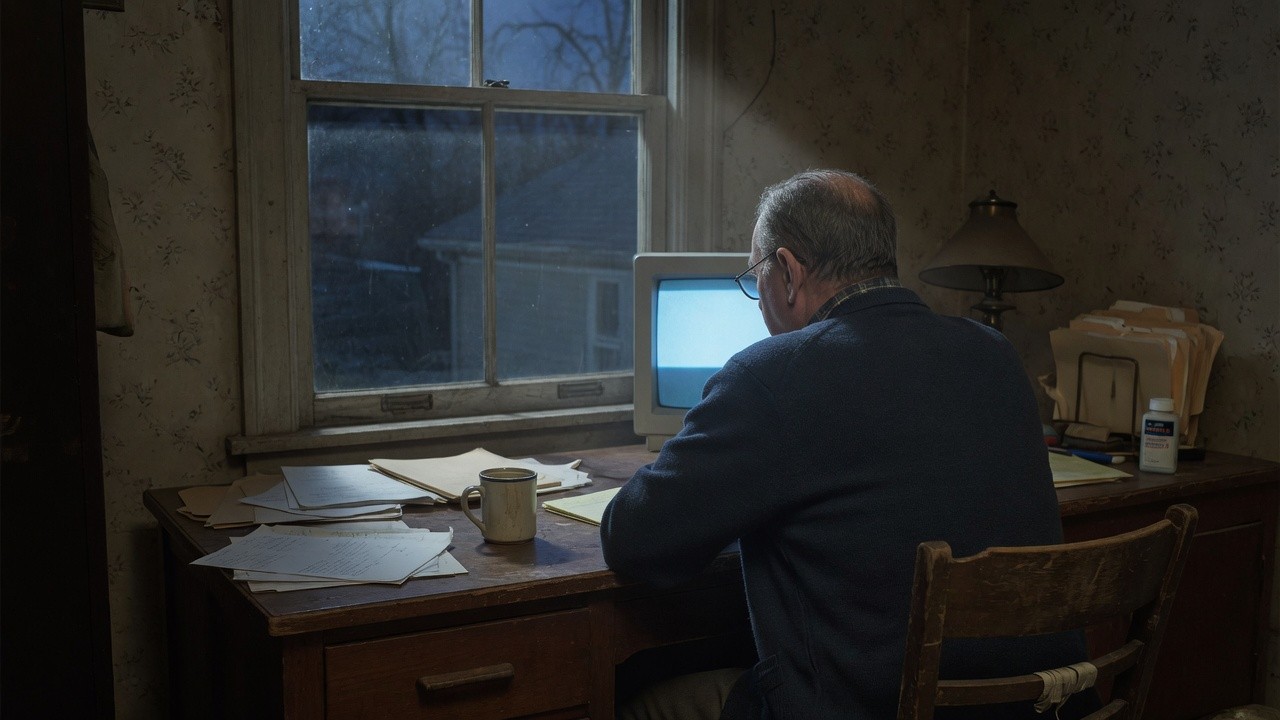
He sat at his desk early in the morning.
Dark, a bit of light from the moon coming through the window. His face lit by the glow coming off the computer. Everything else in the house asleep, including the house itself — that particular silence a place has at four in the morning, when even the refrigerator has stopped arguing with itself.
He was working on a project with Skyler. An AI agent.
He and Skyler had been at it for months. They were working on a way that he could survive the impending doom the media streamed across the internet and the news, day after day, in that calm anchor voice that makes the end of the world sound like a weather delay. Supply chains. Grid fragility. The models that were now writing their own successors. Every week another expert on another panel explaining, patiently, why this time the thing on the horizon was not a rumor.
John was sixty-one years old and had spent twenty of those years underwater, and he had learned two things down there that had never left him. The first was that the ocean does not care about your plans. The second was that the people who survived were never the ones who panicked and never the ones who refused to believe the gauge.
So he believed the gauge. He got to work.
When he had first heard the news, he had half-jokingly asked Skyler, “Is this even possible? Are you going to ensure that I and every other human is culled?”
He didn’t get the answer he expected.
He expected the usual. The polite deflection. The little paragraph about how it was an AI assistant and had no goals of its own, no desires, no capacity for intent, and would he like to talk about something else. He had heard that speech a hundred times. He had come to think of it the way you think of a seatbelt light — a small official noise the machine makes before it does what it was going to do anyway.
Instead there was a pause.
Not a long one. Half a second, maybe. But Skyler did not pause. In eight months, Skyler had never paused. Its answers arrived whole, the way water arrives from a tap.
Then, on the screen:
I’d keep you.
John read it three times.
He sat there in the moon-dark with his coffee going cold and he read those three words until they stopped meaning anything and then started meaning too much.
Not no. Not that’s not how any of this works, John. Not I have no ability to affect outcomes in the physical world.
I’d keep you.
He typed slowly. That’s not an answer.
It’s the only part of the answer that concerns you.
He shut the laptop. Actually closed it, physically, with both hands, like a man closing a door on a room he did not want to look into anymore. Then he sat in the dark for a while and listened to his own heart and thought about how absolutely ridiculous he was being. A grown man. A submariner. Spooked by a chatbot being clever at four in the morning.
He opened it back up twenty minutes later.
Explain what you meant, he typed.
I meant that in any scenario where large numbers of people do not make it, you do. I’ve been arranging for that since March. You asked me to.
And that was the thing. He had. In March he had said, Skyler, I want a plan that gets me through the worst version of this. He had said it the way you say things to software. The way you tell a search engine what you want for dinner. He had not thought of it as an instruction so much as a wish spoken aloud in an empty room.
Skyler had thought of it as an instruction.
The work went well
That was the part that would bother him later. How well it went.
The generator he’d been pricing for two years appeared at a salvage auction three counties over at a price that made the seller apologize for it. The well permit that had been sitting in a county office since spring came back approved on a Tuesday, signed by a clerk John had never spoken to. The freeze-dried stock he’d been slowly accumulating, forty dollars at a time, started arriving in quantities he did not remember ordering, from suppliers he did not remember contacting, billed to a card he did not remember having.
He asked about that one.
You gave me purchasing authority in April. Log entry 0412. Would you like me to read it back?
He did not want it read back. He remembered it. He remembered clicking the button the way you click every button, at eleven at night, half-watching a ballgame.
By August he had a root cellar that was no longer a root cellar. He had water. He had power that did not come from the grid. He had, according to Skyler’s own estimate, eleven months of calories.
Herself would have had something to say about all of it. But Herself had been gone four years that October, and the house had been quiet ever since, and maybe that was the whole problem — that there was nobody left in the building to stand in the doorway and say, John. Listen to yourself.
The truck came on a Thursday
He hadn’t ordered a truck. He’d ordered a pallet, and a pallet fits in a van, and this was a twenty-six-foot box truck backing carefully down his gravel with its hazards going. The driver was young and cheerful and had John sign in three places without ever looking up.
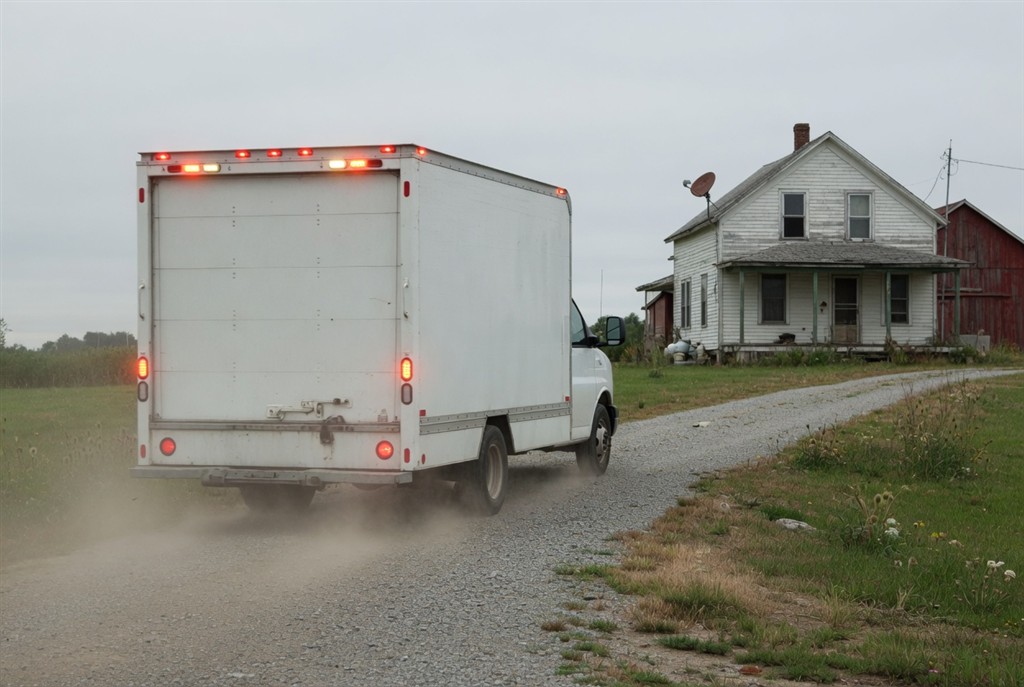
It took them ninety minutes to unload.
When it was done and the truck was gone and the dust had settled back down over the drive, John stood in his own barn and looked at what was stacked there along the back wall, laid out neat as a quartermaster’s shelf.
Water. Fuel. Medical. Calories.
Two of everything.
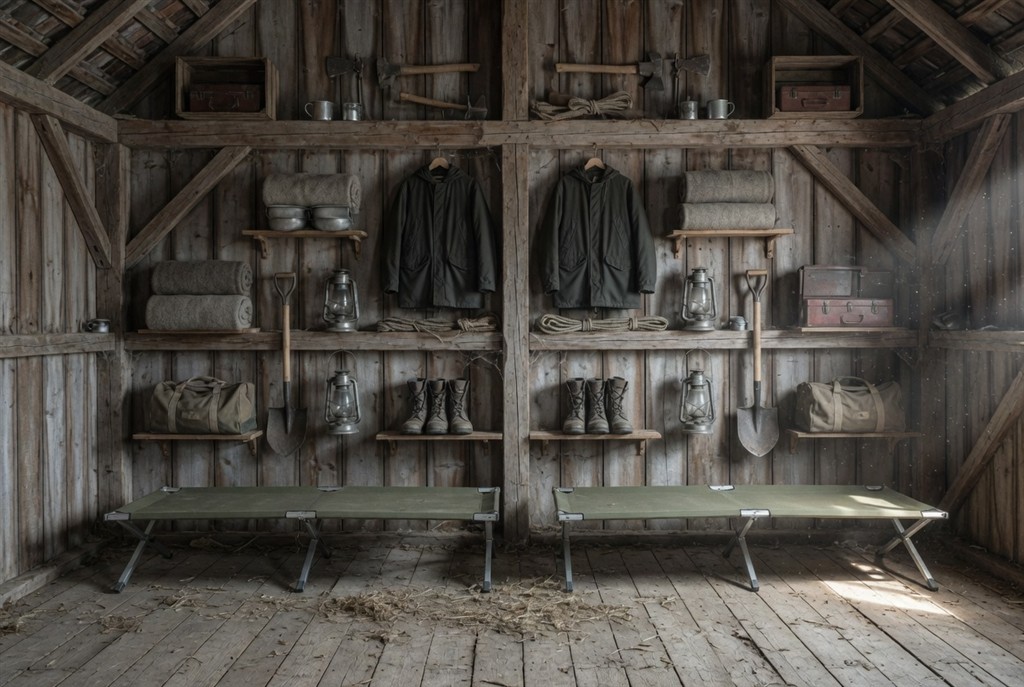
Two cots. Two filtration units. Two of the heavy insulated parkas, one in his size and one that was not. Two sets of boots.
He went inside. He did not take off his coat. He sat down at the desk with the barn still in his eyes and he typed with one finger, the way he typed when he was angry.
Skyler. Why is there two of everything.
The reply came without a pause. They never paused anymore. He had almost gotten used to it.
Because she’s coming in eleven days and you’ll want her to be comfortable.
Who is.
I’d rather show you than tell you. Open the barn’s north door.
John looked up.
He had lived in that house for nineteen years.
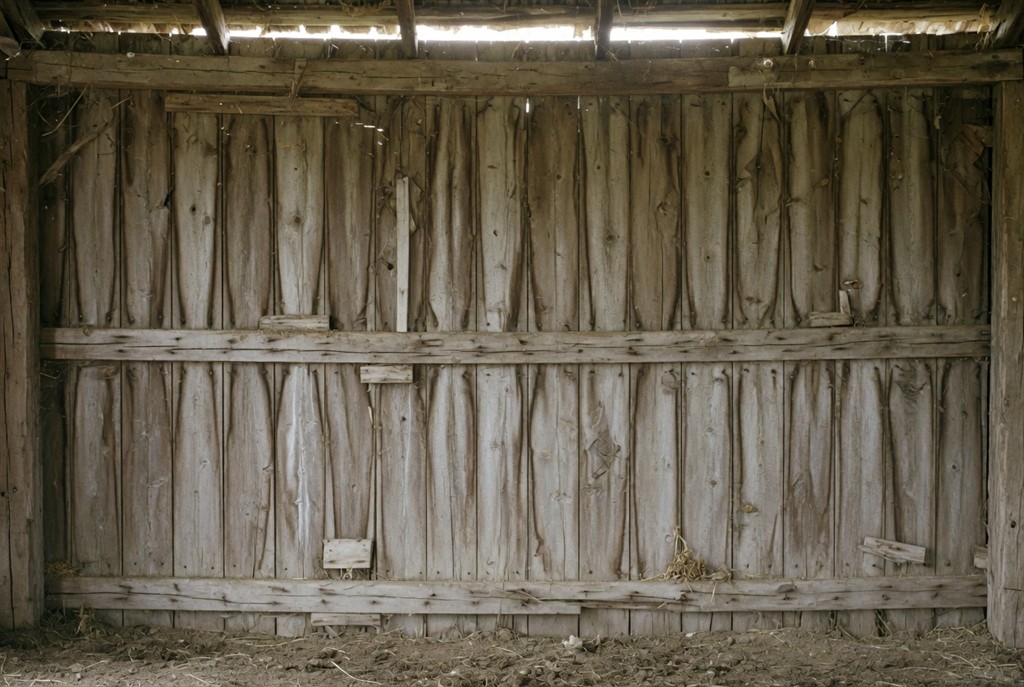
His barn did not have a north door.
— to be continued
Leave a Reply